INSTITUTE OF AGRICULTURE AND ANIMAL SCIENCE
TRIBHUVAN UNIVERSITYKirtipur, Kathmandu, Nepal
Highlights
Kirtipur, Kathmandu, Nepal
Message from the PG Coordinator
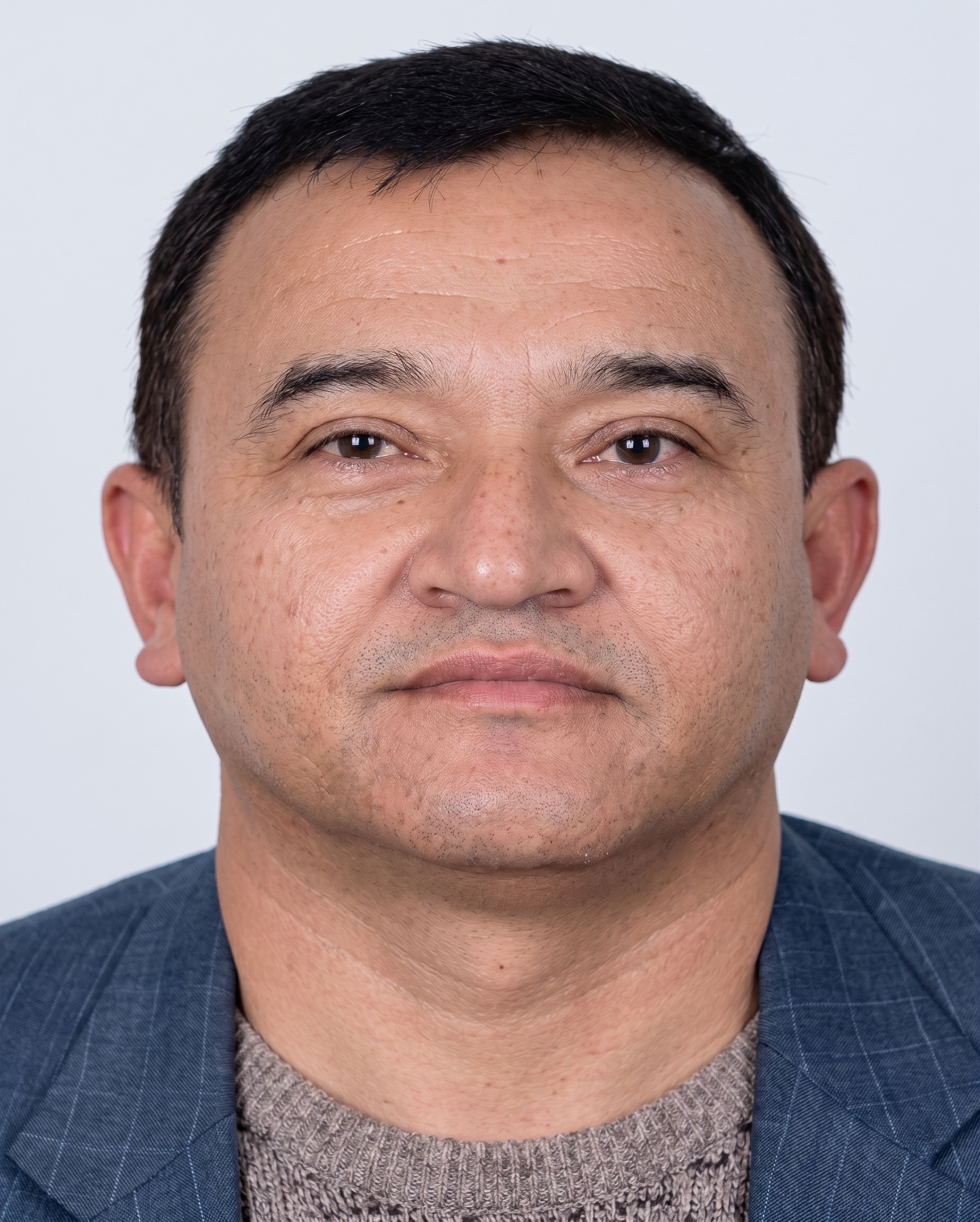
The Institute of Agriculture and Animal Science (IAAS), Tribhuvan University has been producing the high-level technical and skillful manpower in agriculture, animal science, veterinary science, and aquaculture for over 70 years. IAAS initiated its post-graduate (PG) programs in 1998/99 at Rampur, Chitwan, and later shifted it to Kirtipur, Kathmandu along with the Dean’s Office in 2013/14. By 2025, about 50 PhD, 1700 M Sc and 16000 graduates and intermediates are passed out from IAAS and the IAAS alumni are leading several national and international organizations in the world.
From 2025, a comprehensive and new PG curriculum aligned with national priorities and international standards have been currently offering in 19 master’s degrees and selected PhD programs in various subjects of agriculture. The IAAS approved 30 post-graduate degrees including PhD with the major revisions to its earlier revision of 2011 with the introduction of new degree and disciplines. The 2026 revised IAAS PG curricula emphasizes emerging and priority areas such as Agricultural Statistics, Seed Science and Technology, Animal Science, Veterinary Surgery and Radiology, Veterinary Epidemiology and Public Health. Moreover, the courses on precision and climate-smart agriculture, crop simulation modeling, protected horticulture, advanced animal and veterinary sciences, biotechnology, agribusiness and enterprise development, fisheries etc. are also embedded. Strong integration of foundation courses, interdepartmental learning, practical trainings, and research-oriented approaches in the IAAS PG Curricula have also made to ensure the market demanded human resources development in the field of agriculture. The major changes in the IAAS PG curricula are alphabet grading system, a minimum of 45 credit requirements, and addition of new courses to meet the international benchmarks after the interstation of about 50% courses of international arena, remaining 50% courses each of national, provincial and local level promoting the indigenous technical knowledge base. In addition, the institute’s sustainability strategy is supported by established research farms, laboratories, libraries, and multiple campuses across the country, enabling strong linkage between academics, research, and community-based extension.
IAAS is planning to establish the School of Agriculture in near future, and we are expected that our alumni will have the access on expanded career opportunities in academia, research, extension, agribusiness development to lead the global market. Continuous curriculum review, stakeholder engagement, and institutional capacity building remain pivotal to IAAS’s long-term vision, wherein the post-graduate program is one of the key components to see these outputs. Hence, the IAAS PG program expects the collaborative and mutual working environment from its alumni and other concerned stakeholders to strengthen the IAAS academia. To recapitulate, the post-graduate program is working as a forward-looking institution committed to producing competent, innovative, and market-responsive human resources to support agricultural transformation and sustainable development of Nepal. I, as a PG Coordinator, wish for the overall prosperity of IAAS in academics, research and extension.
Prof Lal Prasad Amgain, PhD (Agronomy)
Email: lal.amgain@iaas.tu.edu.np